

Is your hair feeling dry, rough or difficult to manage? Before spending money on another hair treatment, take a look in your kitchen. You may already have a few ingredients worth trying.
From curd and coconut oil to bananas and aloe vera, DIY hair masks can be an affordable addition to a simple hair-care routine. Here are ten easy homemade masks and treatments for different hair types—most use just two or three ingredients.
These are cosmetic home-care ideas for softness and manageability, not proven treatments for hair loss, dandruff or other scalp conditions.
Which DIY Hair Mask Is Best for Your Hair?
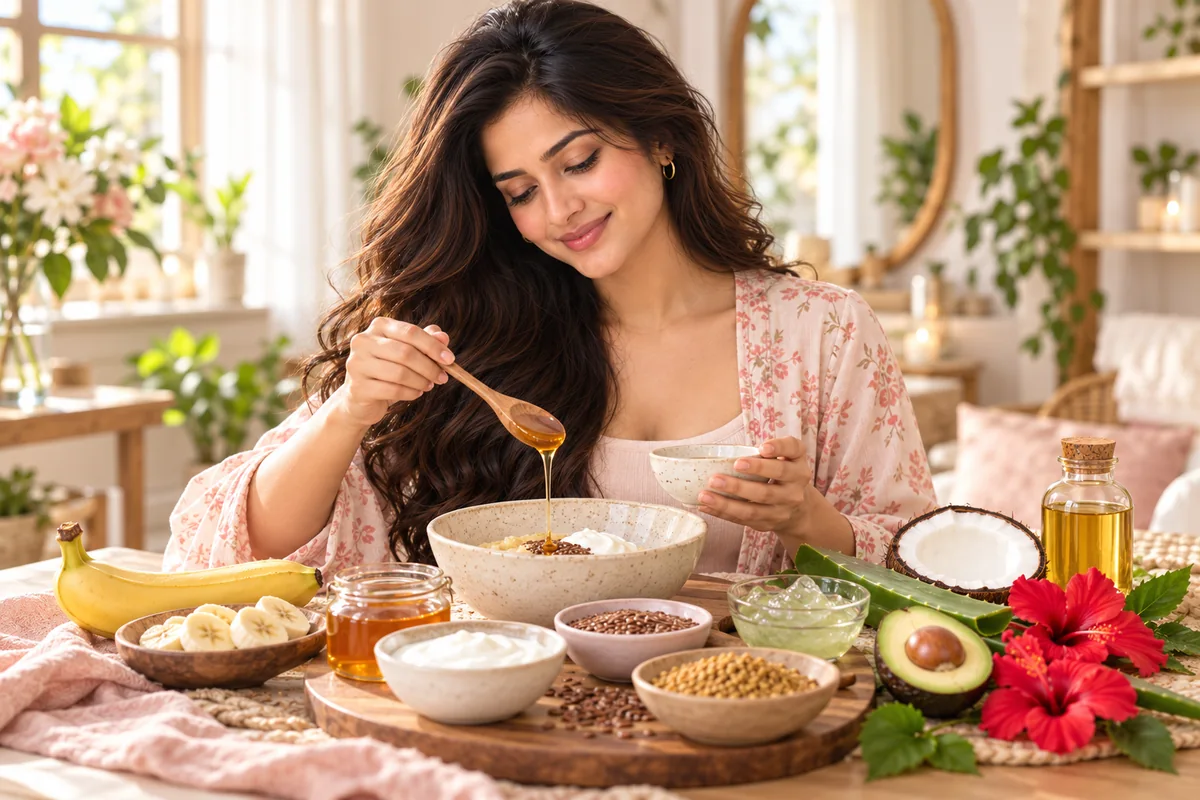
Not sure where to begin? Choose according to your hair’s needs.
| Hair concern | Mask to try |
|---|---|
| Dry, rough hair | Banana and curd |
| Dry, brittle ends | Coconut oil treatment |
| Frizzy hair | Avocado and coconut milk |
| Fine hair | Aloe vera and curd |
| Dull, coarse hair | Honey and curd |
| Tangled hair | Methi gel |
| Curly or wavy hair | Flaxseed gel |
| Very dry, thick hair | Shea butter and olive oil |
| Dry curls | Coconut milk and curd |
| Rough, unmanageable hair | Hibiscus and aloe vera |
10 Easy DIY Hair Masks and Treatments
1. Banana and Curd Hair Mask for Dry Hair
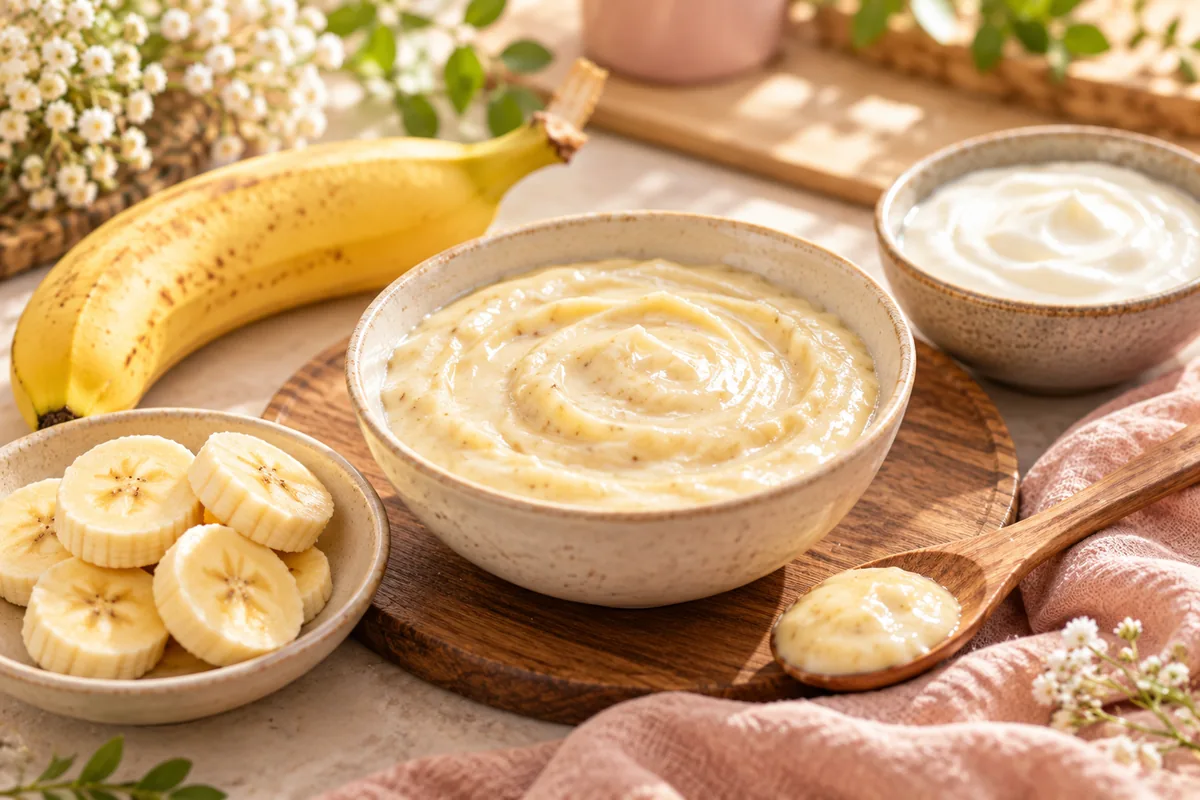
Best for: Dry and rough hair | Time: 15–20 minutes
Bananas aren’t just for breakfast. Blended with curd, they make a creamy, easy-to-spread mask worth trying when your hair feels dry after shampooing.
Ingredients
- ½ ripe banana
- 2 tablespoons plain curd
- ½ teaspoon coconut oil (optional)
How to make it
- Blend the banana until completely smooth.
- Add curd and optional coconut oil, mixing into a creamy paste.
- Apply to damp hair, concentrating on the lengths and ends.
- Leave for 15–20 minutes, then rinse thoroughly and shampoo if needed.
WomenSutra Tip: Blend rather than mash the banana. Small pieces can get stuck in your hair and take ages to wash out.
2. Coconut Oil Hair Treatment for Dry, Brittle Hair
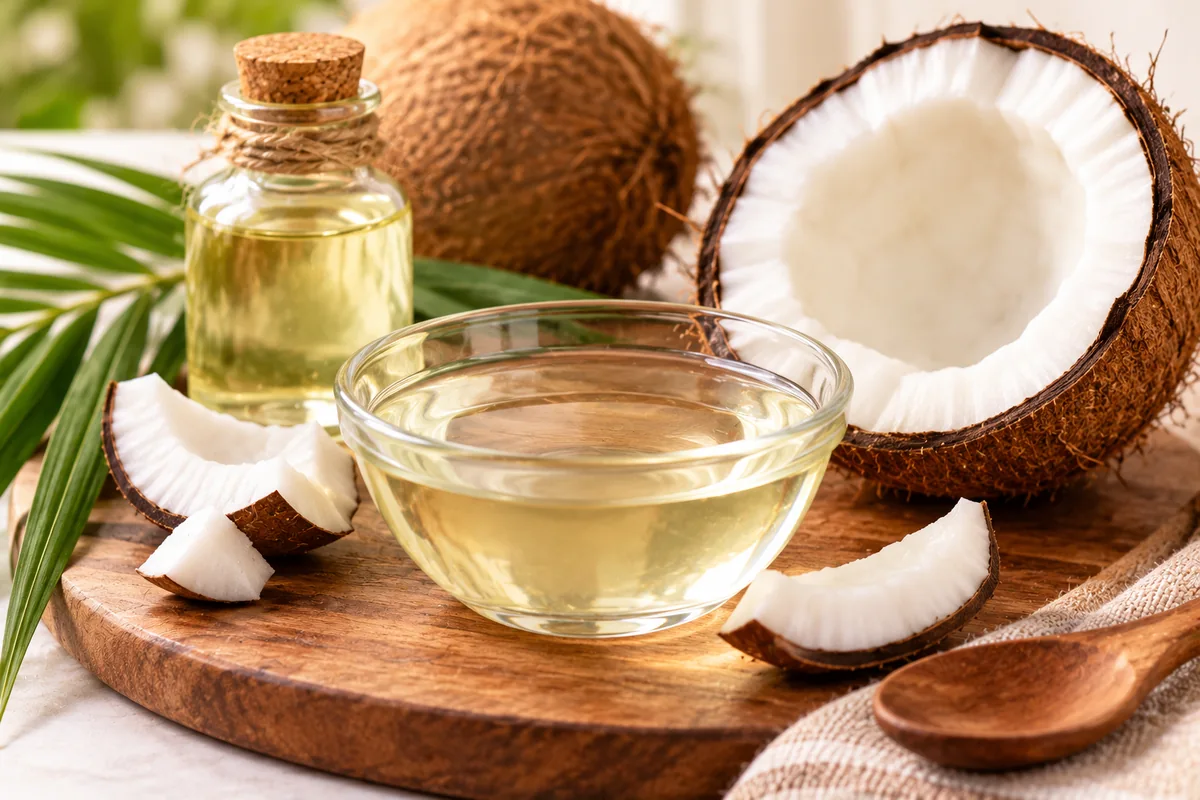
Best for: Dry ends and hair prone to breakage | Time: 20–30 minutes
Sometimes the simplest treatment is the easiest to stick with. Coconut oil has long been part of Indian hair-care routines, and research suggests it can help reduce hair protein loss under certain conditions.
Ingredients
- 1–2 teaspoons coconut oil
How to make it
- Rub a small amount of coconut oil between your palms.
- Smooth it over the mid-lengths and ends; avoid soaking the scalp.
- Leave for 20–30 minutes.
- Wash with a gentle shampoo and finish with conditioner.
WomenSutra Tip: For fine hair, start with just a few drops on the ends. Too much oil can leave hair looking flat.
3. Avocado and Coconut Milk Hair Mask for Frizzy Hair
Best for: Thick, dry and frizzy hair | Time: 15–20 minutes
Avocado and coconut milk make a rich mixture that some people with coarse or dry hair may find pleasant to use on wash day.
Ingredients
- ¼ ripe avocado
- 2 tablespoons unsweetened coconut milk
How to make it
- Blend the avocado and coconut milk until smooth, without chunks.
- Apply a thin layer to lightly damp hair lengths.
- Leave for 15–20 minutes.
- Rinse thoroughly and shampoo if necessary.
WomenSutra Tip: Avocados can be pricey in India. If one isn’t available, try a simple coconut-oil pre-wash treatment instead.
4. Aloe Vera and Curd Hair Mask for Lightweight Conditioning
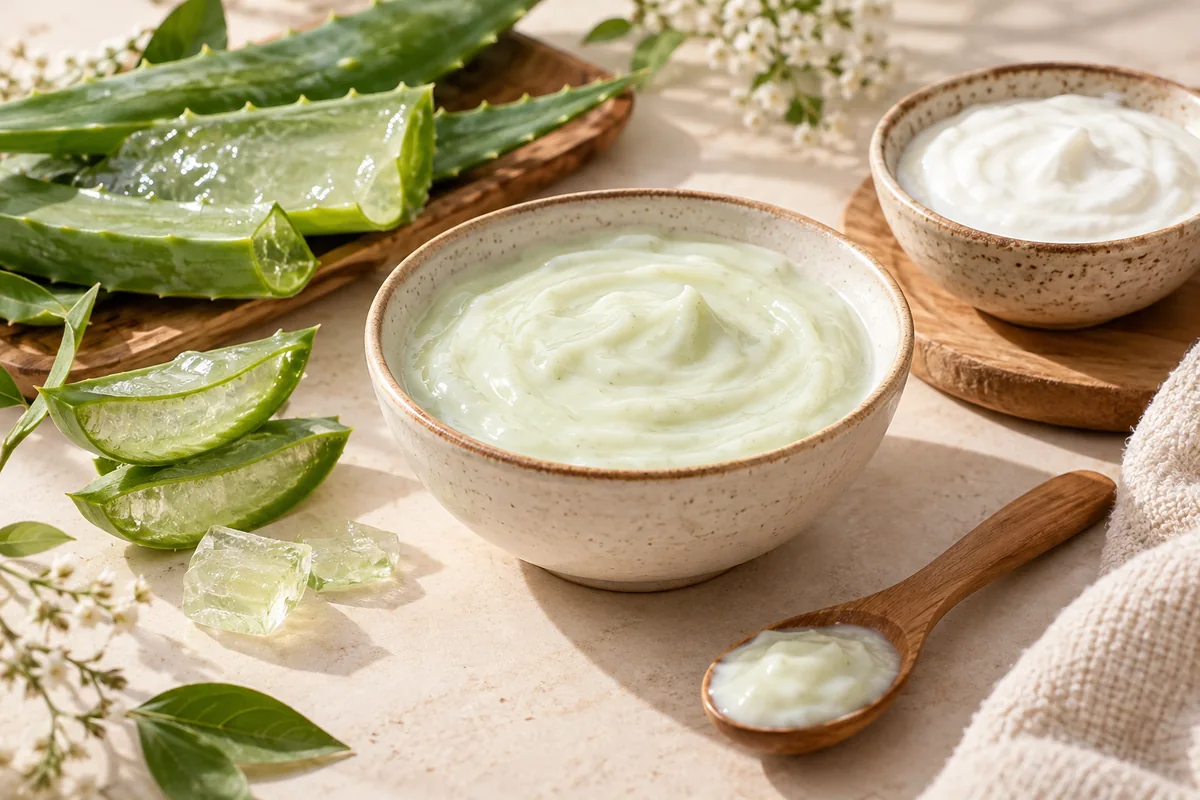
Best for: Fine or mildly dry hair | Time: 10–15 minutes
If heavy oil-based masks leave your hair greasy, this lighter mixture may be worth trying. Aloe vera has a smooth gel texture, while curd gives the mask a creamy consistency.
Ingredients
- 2 tablespoons plain, fragrance-free aloe vera gel suitable for cosmetic use
- 1 tablespoon plain curd
How to make it
- Stir aloe vera gel and curd together in a clean bowl.
- Apply to your hair lengths and ends.
- Leave for 10–15 minutes.
- Rinse with lukewarm water, washing if residue remains.
WomenSutra Tip: Choose a simple cosmetic aloe vera gel. Stop if it causes itching or redness, and avoid applying it to irritated skin.
5. Honey and Curd Hair Mask for Dull Hair
Best for: Dull, coarse or dry hair | Time: 10–15 minutes
This two-ingredient mixture is easy to prepare. Honey is often used in moisturizing beauty products, and it blends into curd to make a creamy homemade rinse-off mask.
Ingredients
- 2 tablespoons plain curd
- ½ teaspoon honey
How to make it
- Mix honey into curd until evenly combined.
- Apply a little to damp hair, focusing on the lengths.
- Leave for 10–15 minutes.
- Rinse thoroughly; shampoo if your hair still feels sticky.
WomenSutra Tip: Go easy on the honey. Adding more can make the mixture harder to rinse out.
6. Methi Hair Mask for Tangled Hair
Best for: Rough hair that tangles easily | Time: 10–15 minutes, plus soaking
Methi, or fenugreek, is familiar in Indian kitchens. Once soaked, the seeds develop a slippery gel-like texture. That makes them an interesting homemade conditioning option, although evidence for hair-regrowth claims is limited.
Ingredients
- 1 tablespoon methi seeds
- Clean water for soaking
How to make it
- Rinse the seeds and soak overnight in a covered container in the refrigerator.
- Drain and blend with a little fresh water.
- Strain carefully to remove gritty particles.
- Apply to the lengths for 10–15 minutes, then rinse thoroughly.
WomenSutra Tip: Strain it well. Avoid fenugreek if you have a relevant allergy, especially to fenugreek or related legumes.
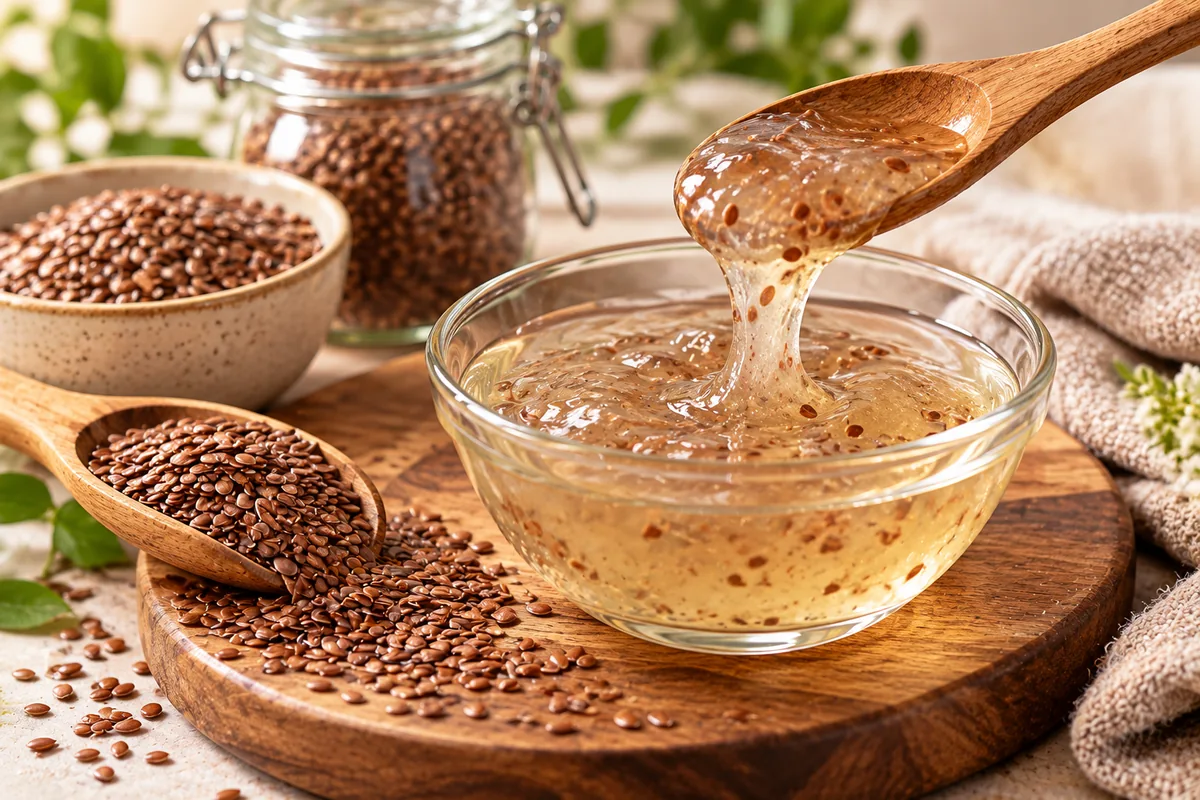
7. Flaxseed Gel Hair Mask for Curly Hair
Best for: Curly and wavy hair | Time: 15–20 minutes
Flaxseed, or alsi, releases a light gel when simmered in water. Some people use that texture to help curls clump together without the heaviness of rich butters.
Ingredients
- 1 tablespoon whole flaxseeds
- 1 cup water
How to make it
- Simmer the seeds in water for around 5–8 minutes, stirring occasionally.
- Once slightly gel-like, remove from heat and carefully strain.
- Allow the gel to cool completely.
- Apply a little to damp hair and rinse after 15–20 minutes.
WomenSutra Tip: Make a fresh small batch and discard leftovers; homemade gel contains no preservatives.
8. Shea Butter and Olive Oil Mask for Very Dry Hair
Best for: Thick, coarse and very dry hair | Time: 15–20 minutes
A little shea butter and olive oil creates a rich, coating treatment that may leave coarse hair feeling smoother. Fine hair may find it too heavy.
Ingredients
- ½ teaspoon shea butter
- ½ teaspoon olive oil
How to make it
- Soften the shea butter between your fingers.
- Mix with the olive oil.
- Smooth a small amount over the lengths and ends.
- Leave for 15–20 minutes, then shampoo thoroughly.
WomenSutra Tip: Start small. A thick coating is much harder to wash out than a little oil.
9. Coconut Milk and Curd Hair Mask for Dry Curls
Best for: Dry, curly and wavy hair | Time: 15–20 minutes
Curls can feel dry even when the scalp produces enough oil. This simple coconut-milk and curd combination is a creamy wash-day option, not a replacement for your regular conditioner.
Ingredients
- 2 tablespoons unsweetened coconut milk
- 1 tablespoon plain curd
How to make it
- Mix coconut milk and curd until smooth.
- Section damp hair and apply to the lengths and ends.
- Leave for 15–20 minutes.
- Rinse completely and use conditioner if needed.
WomenSutra Tip: Gently squeeze washed curls with a soft cotton T-shirt rather than rubbing them with a towel.
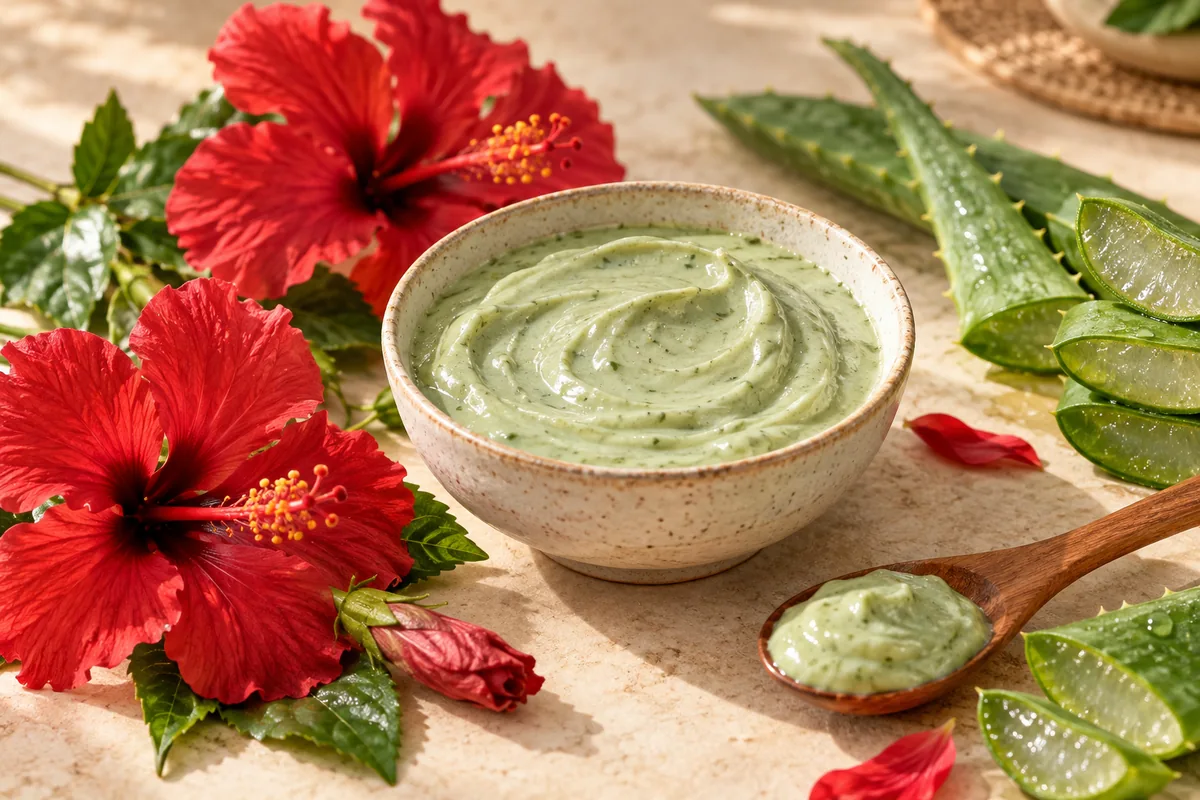
10. Hibiscus and Aloe Vera Hair Mask
Best for: Rough, dry and difficult-to-manage hair | Time: 15–20 minutes
Hibiscus, called gudhal in Hindi, has a long history in traditional Indian beauty routines. Blending its petals with aloe vera creates a botanical mask, although its specific hair benefits are not well studied.
Ingredients
- 2–3 clean fresh hibiscus flowers
- 2 tablespoons plain cosmetic aloe vera gel
- A little water, if needed
How to make it
- Wash the flowers thoroughly and remove the stamens.
- Blend the petals with aloe vera gel, adding a little water if needed.
- Strain coarse particles from the mixture.
- Apply to the hair lengths, leave 15–20 minutes and rinse thoroughly.
WomenSutra Tip: Use pesticide-free flowers and an old towel; hibiscus pigment may stain light fabrics.
How Often Should You Use a DIY Hair Mask?
You don’t need to use a homemade hair mask every day. Try an occasional treatment and notice how your hair responds. For dry or coarse hair, a mask on a wash day may feel pleasant; for fine or oily hair, start with a small amount and avoid heavy oils.
If a mixture leaves your hair greasy, stiff or more tangled, stop using it. A suitable everyday conditioner is still an important part of a good routine.
5 Simple Tips for Using Homemade Hair Masks
- Make each mixture fresh: Use clean tools and discard leftovers.
- Consider allergies: Avoid ingredients you’re allergic to. A small skin test may help reveal irritation, but it cannot guarantee safety.
- Skip overnight food masks: Leaving a fresh mixture on longer doesn’t necessarily improve results.
- Rinse thoroughly: Use lukewarm water and shampoo if you notice buildup.
- Avoid irritated skin: Don’t apply DIY mixtures to an inflamed, itchy or broken scalp.
Frequently Asked Questions
Which homemade hair mask is best for dry hair?
Banana and curd is a simple option to try. Coconut oil may also help protect dry hair as a pre-wash treatment.
Can I use a DIY hair mask every day?
It’s generally unnecessary. Start with occasional use and adjust based on how your hair feels.
Can homemade hair masks help hair growth?
There’s limited evidence that these recipes stimulate new hair growth. Coconut oil may reduce some hair damage, but that isn’t the same as regrowing hair.
Should I use a hair mask before or after shampooing?
Coconut oil is best treated as a pre-wash option. Other rinse-off mixtures can go on lightly damp hair, followed by thorough rinsing and shampoo if needed.
Can homemade hair masks repair split ends?
No. A conditioning treatment may temporarily smooth the feel of the hair, but only trimming can remove existing split ends.
Final Thoughts
Taking care of your hair doesn’t need to be complicated or expensive. Try one simple recipe at a time, use ingredients you can easily find, and pay attention to what suits your hair.
For more everyday advice, explore our WomenSutra hair-care guides. If you’re experiencing significant shedding, persistent dandruff or scalp irritation, talk to a dermatologist.